Is Teeth Bleaching Secure?
Just How To Remove Plaque From Your Teeth
When you bleach your teeth-- whether properly or with a take-home package-- you're essentially using a peroxide-based solution that lifts spots from the enamel. Since the process temporarily opens the pores in your teeth, moderate adverse effects prevail and usually short-term. With in-office whitening, the lightening product is applied directly to the teeth. The debate is mostly due to examine designs and approach which are really divergent. The researches are heterogeneous and the results can not be utilized in a meta-analysis. Some of these studies have actually found that aggressive bleaching therapies can transform the surface honesty, microstructure of enamel crystals, and susceptibility to demineralization.Usage Desensitizing Products
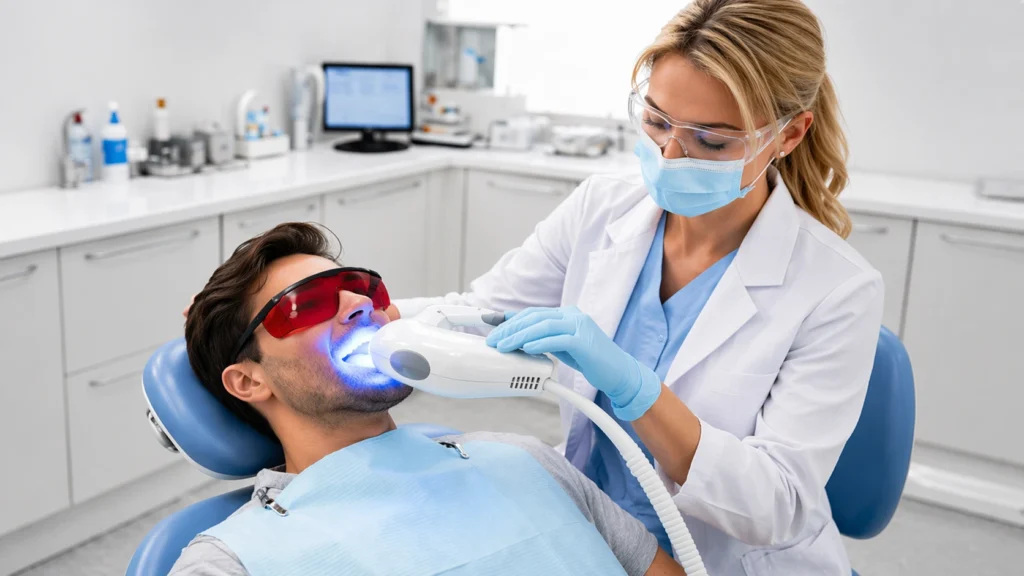
The active components in whitening products, such as hydrogen peroxide or carbamide peroxide, penetrate the enamel to damage down spots. However, this procedure can also strip away necessary minerals, deteriorating the enamel and making teeth more sensitive to cold and hot temperature levels. While specialist lightening treatments are usually taken into consideration much safer than DIY packages, some clients experience momentary pain after the treatment. This discomfort usually fades rather promptly, specifically with making use of desensitizing tooth paste or fluoride treatments. Blue LED light teeth bleaching provides a reliable and typically secure method to enhance your smile. While side effects like tooth sensitivity and periodontal inflammation are common, they are normally short-lived and manageable. Extreme whitening can cause teeth to show up transparent or milky instead of naturally white. This is why professional assistance is critical when taking into consideration any type of lightening therapy. Light sensitivity is expected, however if you experience sharp, recurring pain for more than a few days, it's not normal. This might suggest damages to the enamel or underlying dental issues. Throughout treatment, a peroxide-based gel or lightening lotion is related to the teeth. Heaven LED light activates the whitening representatives, speeding up the malfunction of stains. This Tooth Brightening chain reaction releases oxygen molecules that penetrate the enamel and lift away deep discoloration. Bleaching gel is a vital component in the effectiveness of LED teeth lightening, and its solution often consists of hydrogen peroxide or carbamide peroxide for ideal outcomes. When done properly, teeth whitening is a risk-free and reliable method to improve your smile.- However don't underestimate what routine oral cleanings can do for your smile.
- It can be made use of to cover stains and improve the form and appearance of teeth.
- This use lasers is thought about to be an 'off-label' use of laser systems in dentistry by the United States Food and Drug Administration.
- Each session has a much lower focus of hydrogen peroxide, permitting clients to whiten on their own time and lower the intensity of sensitivity.
Enamel Damage (Uncommon Yet Feasible)
What are the dangers of whitening teeth?
Dangers frequently reported with tooth lightening include raised tooth level of sensitivity and mild gingival irritability. The degree of these side effects is directly pertaining to the focus of the peroxide bleach element, duration of the therapy, and the non-bleach structure of the product used.